
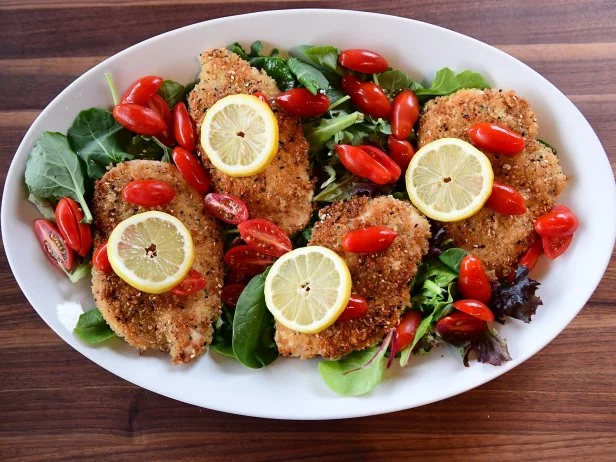
A good weeknight dinner should not require a sink full of dishes or an hour of preparation. This one-pan chicken dinner brings together tender chicken, colorful vegetables, and a simple garlic-herb seasoning in one skillet.
The recipe is designed around ingredients that cook quickly and finish at roughly the same time. The key is cutting the vegetables into appropriately sized pieces and giving the chicken enough space to brown instead of steam.
Why You’ll Like This Recipe
- Ready in about 30 minutes: Most of the work happens in one skillet.
- Minimal cleanup: The chicken, vegetables, and sauce cook in the same pan.
- Balanced meal: Protein and vegetables are combined in one dish.
- Flexible: You can change the vegetables or seasoning based on what you have.
- Beginner-friendly: There are clear visual cues for knowing when the chicken and vegetables are ready.
Ingredients
Serves 4
- 1 1/4 lb (570 g) boneless, skinless chicken thighs or chicken breasts
- 2 tablespoons olive oil, divided
- 1 medium bell pepper, cut into bite-size pieces
- 1 medium zucchini, cut into half-moons
- 1 small red onion, cut into wedges
- 2 cups broccoli florets, cut into small pieces
- 3 garlic cloves, minced
- 1 teaspoon dried oregano
- 1 teaspoon paprika
- 1/2 teaspoon dried thyme
- 3/4 teaspoon salt, or to taste
- 1/4 teaspoon black pepper
- 1 tablespoon lemon juice
- 2 tablespoons chopped fresh parsley, optional
Why these ingredients work
Chicken thighs: They remain relatively juicy during quick skillet cooking. Chicken breast can also be used, but it is less forgiving if overcooked.
Broccoli: Small florets cook quickly enough to work in a 30-minute meal.
Zucchini and bell pepper: Both cook quickly and add moisture, color, and texture.
Paprika, oregano, garlic, and thyme: These provide plenty of flavor without requiring a separate sauce.
Equipment
- Large heavy skillet or sauté pan
- Cutting board
- Sharp knife
- Tongs or spatula
- Instant-read thermometer, recommended
A large pan matters. If the ingredients are packed tightly, the vegetables can release water and the chicken may brown poorly.
How to Make This 30-Minute One-Pan Dinner
1. Prepare the ingredients
Cut the chicken into roughly 1-inch pieces.
Cut the broccoli into small, similar-sized florets. Slice the zucchini into half-moons and the pepper and onion into bite-size pieces.
Try to keep the chicken pieces similar in size so they finish cooking at approximately the same time.
2. Season the chicken
Place the chicken in a bowl and add:
- 1/2 teaspoon salt
- Paprika
- Oregano
- Thyme
- Black pepper
Toss until the pieces are evenly coated.
3. Brown the chicken
Heat a large skillet over medium-high heat.
Add 1 tablespoon of olive oil.
Once the oil is hot, add the chicken in a single layer.
Cook for about 4–5 minutes, turning occasionally, until the outside develops some golden-brown color.
The chicken does not need to be completely cooked through at this point because it will return to the pan later.
Do not overcrowd the skillet. If necessary, cook the chicken in two batches.
4. Cook the vegetables
Remove the chicken to a clean plate.
Add the remaining tablespoon of olive oil to the skillet.
Add the broccoli, bell pepper, zucchini, and onion.
Cook for approximately 5–7 minutes, stirring occasionally.
The vegetables should become brighter in color and begin developing browned edges while retaining some firmness.
If the pan looks dry, add a small splash of water rather than a large amount of oil.
5. Add the garlic
Reduce the heat to medium.
Add the minced garlic and cook for approximately 30–60 seconds, stirring constantly.
Stop when the garlic smells fragrant.
Do not leave it cooking until it becomes dark brown because burnt garlic can make the entire dish taste bitter.
6. Return the chicken
Add the chicken and any juices from the plate back into the skillet.
Stir everything together.
Cook for another 3–5 minutes, stirring occasionally.
The chicken should reach an internal temperature of 165°F (74°C) in the thickest piece. USDA recommends this temperature for poultry safety. (fsis.usda.gov)
7. Finish with lemon
Turn off the heat.
Add the lemon juice and toss everything together.
Taste and adjust the salt if necessary.
Sprinkle with fresh parsley just before serving.
The lemon adds acidity that helps balance the savory chicken and roasted vegetables.
Important Tips for Better Results
Use a large skillet
A crowded pan traps steam.
A large cooking surface allows the chicken and vegetables to contact the hot pan and develop better color.
Cut everything according to cooking time
Broccoli should be divided into small florets, while zucchini can be cut slightly larger because it cooks quickly.
Very large vegetable pieces may still be firm when the chicken is finished.
Don’t constantly stir the chicken
Give the chicken enough time to contact the hot pan.
Moving it every few seconds prevents proper browning.
Add garlic near the end
Garlic cooks much faster than chicken or sturdy vegetables.
Adding it at the beginning increases the chance of burning it.
Use a thermometer
Chicken can look cooked on the outside before the center reaches a safe temperature.
Check the thickest piece with an instant-read thermometer. Poultry should reach 165°F (74°C). (fsis.usda.gov)
Common Mistakes
Problem: The chicken is pale instead of browned
Why it happens: The skillet was overcrowded or wasn’t hot enough.
How to fix it: Cook the chicken in a single layer and use a larger pan or two batches.
Problem: The vegetables are watery
Why it happens: Too many vegetables were packed into the pan, causing them to steam.
How to fix it: Use a larger skillet and avoid adding unnecessary water.
Problem: The chicken is dry
Why it happens: The pieces were too small or were cooked longer than necessary.
How to fix it: Cut the chicken into even pieces and check its temperature rather than cooking far beyond 165°F (74°C).
Problem: The garlic tastes bitter
Why it happens: It was cooked too long or over excessively high heat.
How to fix it: Add garlic during the final minute of vegetable cooking and stir continuously.
Problem: Some vegetables are still hard
Why it happens: Pieces were too large or the vegetables were added at the same time despite having different cooking speeds.
How to fix it: Cut slower-cooking vegetables smaller and give them a head start.
Ingredient Substitutions
Chicken breast
Chicken breast can replace thighs.
Effect: Leaner flavor and slightly less forgiving texture. Cut it into even pieces and avoid overcooking.
Green beans
Replace the zucchini with trimmed green beans.
Effect: The finished dish will have more bite and a slightly firmer texture.
Yellow or orange bell pepper
Any sweet bell pepper works.
Effect: The flavor remains similar, although the color changes.
Frozen broccoli
Frozen broccoli can work when fresh broccoli is unavailable.
Effect: It may release more water and have a softer texture. Add it after allowing excess surface ice to melt away.
Olive oil
Use another neutral cooking oil if needed.
Effect: The main difference will be flavor.
Recipe Variations
Mediterranean-Style
Add halved cherry tomatoes during the final few minutes and finish with parsley and lemon.
Spicy One-Pan Chicken
Add 1/4–1/2 teaspoon red pepper flakes with the other seasonings.
Creamy Version
After the chicken is fully cooked, remove the pan from the heat and stir in a small amount of cream cheese or cooking cream.
The sauce will make the dish richer and less light.
Vegetarian Version
Replace the chicken with drained chickpeas or firm tofu.
For tofu, pat it dry first and brown it in the skillet before cooking the vegetables.
Storage and Reheating
Transfer leftovers to a shallow, covered container and refrigerate promptly.
Keep the refrigerator at 40°F (4°C) or below. USDA recommends using refrigerated leftovers within 3–4 days. (fsis.usda.gov)
For best texture, reheat individual portions in a skillet over medium heat with a small splash of water.
Microwaving also works, but the vegetables will be softer.
Do not repeatedly cool and reheat the entire batch.
Make-Ahead Instructions
You can save time by preparing the ingredients earlier in the day.
Cut the chicken and vegetables separately and refrigerate them in covered containers.
You can also mix the dry seasonings ahead of time.
Keep raw chicken separate from ready-to-eat foods and wash cutting boards, knives, and work surfaces after preparing it.
When dinner time arrives, the actual cooking can be done in one skillet.
Serving Suggestions
This one-pan dinner can be served by itself, but it also works with:
- Cooked rice
- Couscous
- Crusty bread
- Roasted potatoes
- Simple green salad
If you want to keep the meal especially quick, serve it directly from the skillet with warm bread.
Recipe FAQ
Can I make this recipe with chicken breast?
Yes. Chicken breast works well, but it can dry out more easily than thighs. Keep the pieces similar in size and cook only until they reach 165°F (74°C).
Can I use different vegetables?
Yes, as long as you choose vegetables with similar cooking times or add slower-cooking vegetables first.
Carrots, green beans, mushrooms, and cherry tomatoes are useful alternatives.
Can I make this without a cast-iron skillet?
Absolutely. A large stainless-steel or other heavy skillet works well.
How do I keep the vegetables from becoming soggy?
Do not overcrowd the skillet. Use a large pan, keep the heat moderately high, and avoid adding excess liquid.
Can I make this dinner ahead of time?
Yes. Prepare the ingredients ahead, but cook the meal close to serving time for the best texture.
How do I know when the chicken is safe to eat?
Use an instant-read thermometer in the thickest piece. Chicken should reach 165°F (74°C). (fsis.usda.gov)
Recipe Card
Quick 30-Minute One-Pan Chicken Dinner
Prep Time: 10 minutes
Cook Time: 18–20 minutes
Total Time: About 30 minutes
Servings: 4
Ingredients
- 1 1/4 lb (570 g) boneless, skinless chicken thighs or breasts
- 2 tablespoons olive oil, divided
- 1 medium bell pepper, chopped
- 1 medium zucchini, sliced
- 1 small red onion, cut into wedges
- 2 cups broccoli florets
- 3 garlic cloves, minced
- 1 teaspoon dried oregano
- 1 teaspoon paprika
- 1/2 teaspoon dried thyme
- 3/4 teaspoon salt
- 1/4 teaspoon black pepper
- 1 tablespoon lemon juice
- 2 tablespoons chopped parsley, optional
Instructions
- Cut the chicken and vegetables into evenly sized pieces.
- Season the chicken with salt, paprika, oregano, thyme, and black pepper.
- Heat 1 tablespoon oil in a large skillet over medium-high heat.
- Add the chicken and cook for 4–5 minutes until lightly browned. Remove to a clean plate.
- Add the remaining oil and cook the broccoli, bell pepper, zucchini, and onion for 5–7 minutes.
- Reduce heat to medium and add the garlic. Cook for 30–60 seconds.
- Return the chicken to the skillet and cook for another 3–5 minutes.
- Check that the thickest piece of chicken reaches 165°F (74°C).
- Turn off the heat and add lemon juice.
- Garnish with parsley and serve.
Optional Notes
- Use a large skillet so the ingredients brown instead of steam.
- Chicken thighs are more forgiving, while chicken breast needs closer temperature control.
- Cut vegetables according to how quickly they cook.
- For a spicy version, add red pepper flakes.
- For food safety, chicken should reach 165°F (74°C).
Storage
Refrigerate leftovers promptly in a covered container. Keep refrigerated at 40°F (4°C) or below and use within 3–4 days. (fsis.usda.gov)