
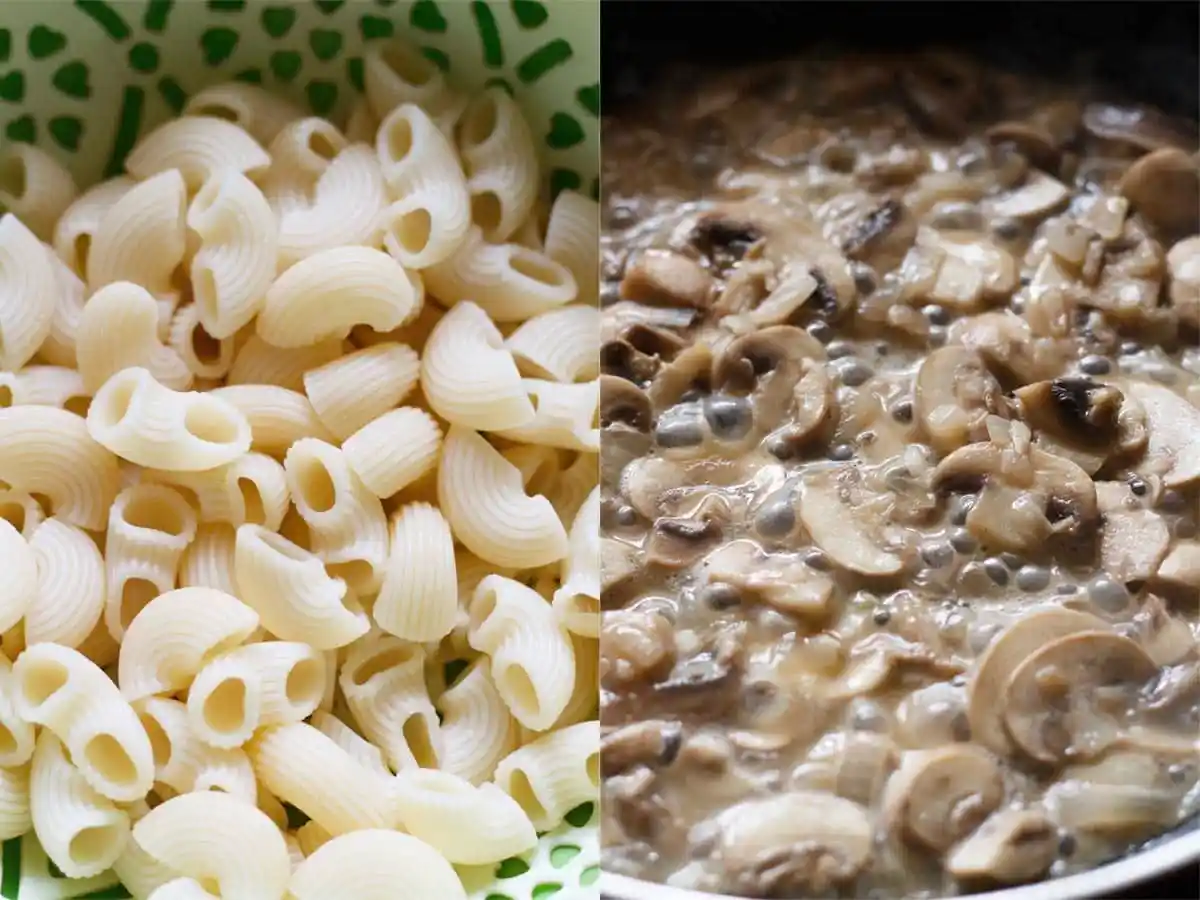
Creamy mushroom pasta is one of those dishes that can taste remarkably good when prepared with simple ingredients. The difference between an ordinary bowl of pasta and one with a rich, silky sauce usually comes down to technique rather than expensive ingredients.
The mushrooms need enough heat to develop a deep savory flavor instead of simply steaming in their own moisture. The pasta needs to be cooked correctly, and the starchy cooking water plays an important role in turning cream, butter, cheese, and mushrooms into a sauce that clings to every strand.
This method walks through each stage, including how to brown mushrooms properly, when to add garlic, how to use pasta water, and how to finish the pasta in the sauce. These small details make the dish more flavorful and help prevent a watery, greasy, or overly thick sauce.
Why This Recipe Works
The key to a good creamy mushroom pasta is building flavor in layers rather than putting every ingredient into the pan at once.
Mushrooms contain a lot of water. If the pan is overcrowded or the heat is too low, they release that moisture and simmer in it. Instead of developing browned edges, they can become pale and soft.
Cooking the mushrooms in a hot pan gives their surfaces an opportunity to brown. That browning creates a deeper savory flavor that becomes the foundation of the sauce.
Garlic is added later because it cooks much faster than mushrooms. Adding it too early can leave you with bitter, burnt garlic before the mushrooms are properly browned.
Cream gives the sauce richness, while Parmesan adds saltiness and savory depth. Pasta water brings starch and helps the sauce become smoother and more cohesive. Finishing the pasta directly in the sauce allows the noodles to absorb some of that flavor instead of simply being coated with sauce at the end.
The result should be creamy without being excessively heavy. The sauce should cling to the pasta rather than collect as a thin puddle at the bottom of the bowl.
Ingredients You’ll Need
This recipe makes approximately 4 servings.
- 12 ounces (340 g) pasta: Fettuccine, linguine, spaghetti, or penne all work well.
- 1 tablespoon olive oil: Helps cook and brown the mushrooms.
- 2 tablespoons unsalted butter: Adds richness and helps form the sauce.
- 12 ounces (340 g) mushrooms, sliced: Cremini or white button mushrooms work well.
- 3 cloves garlic, finely minced: Adds savory aroma and flavor.
- ½ teaspoon salt, plus more for pasta water: Helps season the mushrooms and sauce.
- ½ teaspoon freshly ground black pepper: Adds warmth and balances the cream.
- ½ teaspoon dried Italian seasoning: Adds a subtle herb note.
- ½ cup (120 ml) dry white wine or chicken/vegetable stock: Helps deglaze the pan and adds depth.
- 1 cup (240 ml) heavy cream: Creates the creamy base.
- ½ cup (50 g) finely grated Parmesan cheese: Adds savory flavor and helps thicken the sauce.
- ¼ cup chopped fresh parsley: Adds freshness at the end.
You will also need reserved pasta cooking water, so do not drain the pasta and immediately discard all of the water.
For the mushrooms, use ones that look firm and fresh without excessive dark or wet spots. Cremini mushrooms generally provide a slightly deeper flavor than standard white mushrooms, but either variety works.
Freshly grated Parmesan is preferable to pre-grated cheese because it melts more smoothly into the sauce.
Equipment
You will need a large pot for the pasta, a large skillet or sauté pan, a colander or pasta fork, a wooden spoon or spatula, a sharp knife, and a cheese grater.
A wide skillet is particularly useful because mushrooms need enough surface area to brown properly. If the pan is too crowded, cook the mushrooms in two batches rather than forcing everything into one layer.
A measuring cup or small bowl is also useful for reserving pasta water before draining.
How to Make Restaurant-Style Creamy Mushroom Pasta
Step 1: Prepare the Ingredients
Slice the mushrooms into reasonably even pieces. They do not need to be paper-thin. Pieces around ¼ inch thick work well because they shrink as they cook while still retaining some texture.
Finely mince the garlic and grate the Parmesan before you begin cooking.
This is a useful habit when making quick pasta dishes. Once the pan is hot, several steps happen quickly, so having everything prepared prevents the garlic or butter from sitting in the pan too long while you search for another ingredient.
Step 2: Boil the Pasta
Bring a large pot of water to a rolling boil. Salt the water generously, then add the pasta.
Cook according to the package directions, but begin checking it about 1–2 minutes before the suggested cooking time.
You want the pasta to be al dente, meaning it should be cooked through but still have a slight firmness when bitten.
Before draining, reserve at least 1 cup of pasta water.
The water may look cloudy because it contains starch released from the pasta. That starch is useful for adjusting the consistency of the finished sauce.
Step 3: Brown the Mushrooms
While the pasta cooks, heat a large skillet over medium-high heat.
Add the olive oil and butter. Once the butter has melted and is beginning to foam, add the sliced mushrooms in a reasonably even layer.
Let them cook without constantly stirring.
After a few minutes, the mushrooms will begin releasing water. Keep cooking until much of that moisture evaporates and the mushrooms develop golden-brown edges.
This may take around 6–10 minutes, depending on the mushroom variety, pan size, and amount of moisture.
Do not rush this stage. Pale mushrooms will still make an edible sauce, but properly browned mushrooms provide much more depth.
If your skillet is crowded and the mushrooms are sitting on top of one another, cook them in batches.
Step 4: Add the Garlic and Seasonings
Once the mushrooms are browned, lower the heat slightly.
Add the minced garlic, salt, black pepper, and Italian seasoning. Cook for approximately 30–60 seconds, stirring frequently.
The garlic should become fragrant without turning dark brown.
Garlic cooks quickly, so adding it after the mushrooms have browned gives you much better control. If garlic becomes deeply browned or blackened, its flavor can become bitter.
Step 5: Deglaze the Pan
Pour in the white wine or stock.
Use a wooden spoon to scrape the browned bits from the bottom of the pan.
Those browned pieces contain concentrated flavor from the mushrooms and butter. Deglazing helps dissolve them into the liquid so they become part of the sauce rather than remaining stuck to the skillet.
Let the liquid simmer for approximately 1–2 minutes, or until it has reduced somewhat.
If you do not want to use wine, chicken or vegetable stock is an easy alternative.
Step 6: Add the Cream
Reduce the heat to medium-low and pour in the heavy cream.
Stir gently and allow the mixture to come to a gentle simmer.
Do not boil the cream aggressively. A gentle simmer gives the sauce time to thicken while reducing the risk of scorching.
Cook for approximately 3–5 minutes, stirring occasionally.
The sauce should become slightly thicker, but it does not need to be extremely thick at this stage. The Parmesan and pasta water will change the consistency later.
Step 7: Add the Parmesan
Reduce the heat to low.
Add the grated Parmesan gradually while stirring.
The cheese should melt into the warm cream and mushroom mixture, giving the sauce more body and a savory finish.
If the sauce becomes too thick, add a small splash of reserved pasta water.
Avoid adding a large amount at once. It is easier to thin a thick sauce gradually than to correct a sauce that has become watery.
Step 8: Finish the Pasta in the Sauce
Add the drained pasta directly to the skillet.
Toss the pasta through the sauce for approximately 1–2 minutes.
Add reserved pasta water a tablespoon or two at a time if needed.
The goal is a sauce that coats the pasta evenly and moves easily around the pan. It should look glossy and creamy rather than stiff.
The pasta will continue absorbing some sauce as it sits, so do not make the sauce excessively thick while it is still in the skillet.
This finishing step is one of the easiest ways to improve a creamy pasta dish. Instead of treating the sauce and pasta as separate components, you allow them to finish cooking together.
Step 9: Finish and Serve
Turn off the heat.
Taste the pasta and adjust the seasoning if necessary. Add more black pepper, Parmesan, or a small pinch of salt according to taste.
Stir through the chopped parsley just before serving.
Transfer the pasta to warm bowls and finish with additional Parmesan and freshly cracked black pepper if desired.
Serve immediately while the sauce is still smooth and loose.
Chef Tips for Better Results
Use a wide pan. Mushrooms brown better when they have room around them. A narrow, crowded skillet traps steam.
Do not constantly stir mushrooms. Give them time to make contact with the hot pan. Stir occasionally rather than continuously.
Salt gradually. Parmesan and pasta water both contain salt, so taste the sauce before adding a large amount of additional seasoning.
Grate Parmesan finely. Smaller pieces melt more easily and reduce the chance of a grainy sauce.
Reserve pasta water before draining. This is an easy step to forget, and you cannot recover the starchy water once it has gone down the drain.
Keep the cream at a gentle simmer. Hard boiling is unnecessary and can make the sauce harder to control.
Finish the pasta in the skillet. This gives the noodles an opportunity to absorb the mushroom and cream flavors.
Serve promptly. Cream sauces naturally become thicker as they cool.
[IMAGE SUGGESTION: Close-up of creamy mushroom pasta showing a glossy sauce clinging evenly to the noodles.]
Common Mistakes to Avoid
Crowding the Mushrooms
Putting too many mushrooms into a small pan causes them to release moisture faster than it can evaporate.
The result is steamed mushrooms rather than browned mushrooms.
Use a wider skillet or cook in batches.
Stirring Mushrooms Too Frequently
Constant stirring prevents the mushrooms from spending enough time against the hot cooking surface.
Let them sit for a while before turning them.
Burning the Garlic
Garlic only needs a short time to become fragrant. Adding it at the beginning can cause it to burn while the mushrooms are still releasing water.
Add garlic after the mushrooms have browned.
Making the Sauce Too Thick
A creamy sauce should coat the pasta without becoming paste-like.
Remember that Parmesan, starch, and continued absorption by the pasta will thicken the sauce. Keep some pasta water nearby so you can adjust it.
Overcooking the Pasta
Soft, overcooked pasta can become even softer after being tossed in hot sauce.
Cook it until al dente and finish it in the skillet.
Adding Cold Cheese in Large Pieces
Large chunks of cold Parmesan may not melt evenly and can leave lumps.
Finely grate the cheese and add it gradually over low heat.
Easy Substitutions and Variations
Mushroom Options
Cremini, white button, baby bella, or a mixture of mushrooms can be used.
Different mushrooms produce slightly different flavors and textures. A mixture can give the dish more variety, particularly when firmer mushrooms are combined with softer varieties.
Milk Instead of Heavy Cream
You can use whole milk, but the sauce will be lighter and thinner. Because milk contains less fat, you may need to reduce it slightly longer and use Parmesan and pasta water carefully to achieve a coating consistency.
Do not expect exactly the same richness as a cream-based sauce.
Vegetable Stock
Vegetable stock is an easy substitute for white wine and works especially well if you want a meat-free version.
Fresh Herbs
Parsley is a simple choice, but a small amount of fresh thyme can also work well with mushrooms. Add delicate herbs near the end so their flavor remains noticeable.
Add Chicken
For a more substantial meal, add cooked sliced chicken breast or chicken thigh. Cook the chicken separately until fully done, then add it to the finished sauce.
How to Know When It’s Done
There are several signs that the pasta is ready to serve.
The pasta should remain slightly firm when bitten. It should not feel hard in the center, but it should not be mushy either.
The sauce should coat the pasta rather than sitting completely underneath it. When you lift a forkful, the sauce should cling to the noodles and appear glossy.
The mushrooms should be tender with some browned edges rather than pale and watery.
Finally, taste the dish before serving. The seasoning should be noticeable without being dominated by salt. Parmesan contributes quite a bit of savory flavor, so final seasoning is best done after the cheese has been incorporated.
Storage and Serving
Creamy mushroom pasta is best served immediately because the sauce thickens as it cools.
If you have leftovers, allow them to cool promptly and transfer them to a covered container. Refrigerate them and use within 3–4 days.
When reheating, add a small splash of milk, cream, or water to loosen the sauce. Reheat gently in a skillet over medium-low heat, stirring frequently.
Avoid blasting the pasta with very high heat. Gentle reheating helps keep the sauce smoother and prevents the pasta from becoming excessively soft.
The dish works well as a main course with a simple green salad, roasted vegetables, or crusty bread.
Troubleshooting
Why is my mushroom pasta watery?
The mushrooms may have released a lot of moisture and not been cooked long enough before the cream was added. Crowding the pan can also cause this.
Continue cooking the mushrooms until their excess moisture has evaporated and they develop some color.
Why isn’t my sauce creamy?
The sauce may need more reduction, Parmesan, or a small amount of pasta water worked into it while tossing.
Remember that creamy does not necessarily mean extremely thick. A good sauce should remain loose enough to coat the pasta.
Why did my Parmesan turn lumpy?
Very high heat can cause cheese proteins to tighten rather than melt smoothly. Reduce the heat before adding Parmesan and grate it finely.
Adding the cheese gradually while stirring also helps.
Why does my pasta sauce seem too thick?
Add reserved pasta water one tablespoon at a time while tossing the pasta.
The starch helps loosen the sauce while still allowing it to cling to the noodles.
Why are my mushrooms pale?
The pan may not have been hot enough, or it may have been overcrowded.
Give the mushrooms enough space and allow their moisture to evaporate before expecting them to brown.
Can I make the sauce ahead of time?
You can prepare the mushroom sauce shortly before serving, but the finished pasta is best assembled close to mealtime. Pasta continues absorbing liquid as it sits, which can make the dish noticeably thicker.
Recipe Card
Recipe Name: Restaurant-Style Creamy Mushroom Pasta
Prep Time: 10 minutes
Cook Time: 25 minutes
Total Time: About 35 minutes
Servings: 4
Ingredients
- 12 ounces (340 g) pasta
- 1 tablespoon olive oil
- 2 tablespoons unsalted butter
- 12 ounces (340 g) mushrooms, sliced
- 3 cloves garlic, finely minced
- ½ teaspoon salt, plus more for pasta water
- ½ teaspoon freshly ground black pepper
- ½ teaspoon dried Italian seasoning
- ½ cup (120 ml) dry white wine or chicken/vegetable stock
- 1 cup (240 ml) heavy cream
- ½ cup (50 g) finely grated Parmesan cheese
- ¼ cup chopped fresh parsley
- Reserved pasta water as needed
Instructions
- Bring a large pot of salted water to a boil and cook the pasta until al dente.
- Reserve at least 1 cup of pasta water before draining.
- Heat olive oil and butter in a large skillet over medium-high heat.
- Add sliced mushrooms and cook for 6–10 minutes until their moisture has evaporated and the mushrooms are browned.
- Lower the heat slightly and add garlic, salt, black pepper, and Italian seasoning. Cook for 30–60 seconds.
- Add wine or stock and scrape the browned bits from the pan. Simmer for 1–2 minutes.
- Add heavy cream and simmer gently for 3–5 minutes.
- Lower the heat and gradually stir in the grated Parmesan.
- Add the cooked pasta and toss for 1–2 minutes.
- Add reserved pasta water a little at a time until the sauce reaches a smooth, coating consistency.
- Turn off the heat, stir in parsley, taste, and adjust seasoning.
- Serve immediately with additional Parmesan and black pepper if desired.
Notes
For the deepest mushroom flavor, avoid overcrowding the skillet. Brown the mushrooms properly before adding garlic or cream. Keep the reserved pasta water because it gives you control over the final sauce consistency.
Frequently Asked Questions
What type of pasta is best for creamy mushroom sauce?
Fettuccine and linguine are excellent choices because their wider surfaces hold creamy sauce well. Penne also works if you prefer short pasta. Spaghetti can be used too, although its thinner shape produces a slightly different eating experience.
Should I wash mushrooms before cooking them?
If the mushrooms are visibly dirty, quickly rinse them and dry them thoroughly. Excess water on the surface can slow browning. For lightly soiled mushrooms, wiping them with a damp kitchen towel or paper towel is another option.
Can I make creamy mushroom pasta without wine?
Yes. Replace the wine with chicken or vegetable stock. The wine provides acidity and depth, but stock still works well for deglazing the browned bits in the skillet.
How can I make the mushroom flavor stronger?
The most effective step is to brown the mushrooms properly. You can also use a mixture of mushroom varieties or add a small amount of finely chopped dried mushrooms that have been rehydrated and drained.
Avoid simply adding large amounts of seasoning, which can cover rather than improve the mushroom flavor.
Can I use pre-grated Parmesan?
You can, but freshly grated Parmesan usually melts more smoothly. Some pre-grated cheeses contain anti-caking ingredients that can affect how easily the cheese incorporates into a cream sauce.
How do I stop creamy pasta from becoming dry?
Do not reduce the sauce too aggressively, and reserve pasta water before draining. If the pasta becomes too thick during finishing, add small amounts of pasta water while tossing until the sauce loosens.
Can I add vegetables to creamy mushroom pasta?
Yes. Spinach, peas, asparagus, or roasted bell peppers can work well. Add vegetables according to their cooking time rather than putting everything into the skillet at once. The goal is to keep the mushrooms browned and the added vegetables properly cooked.
Conclusion
Restaurant-style creamy mushroom pasta is less about complicated ingredients and more about controlling each stage of cooking. Brown the mushrooms before adding the garlic, keep the cream at a gentle simmer, melt the Parmesan over low heat, and use reserved pasta water to control the final texture.
Most importantly, finish the pasta directly in the sauce. That final minute or two allows the noodles, mushrooms, Parmesan, and cream to come together instead of tasting like separate ingredients placed in the same bowl.
Once you learn how to control moisture and heat, this becomes a flexible pasta method you can adapt with different mushrooms, herbs, vegetables, or proteins while keeping the same creamy foundation.